

Disability & Assistive Tech ConsultancyAccessible Technology guidance to support your employees
As an employer, supporting the wellbeing of your employees is essential. When an employee has a disability or long‑term health condition, it’s important to make appropriate workplace adjustments that support their needs while maintaining productivity and performance.
Our assistive technology consultant works closely with you and your employee to ensure all reasonable workplace adjustments are identified and implemented. The employee is fully involved throughout the process and is assessed by our Assistive Technologist, helping them feel supported and included. Recommendations are discussed collaboratively before a final assessment report is produced.
Detailed Assessment Reports
Our comprehensive Workplace Adjustment Assessment Reports include:
- A summary of meetings and discussions
- Clear, practical recommendations
- Any relevant concerns or considerations
- Guidance on sourcing recommended equipment or software, including pricing
These reports provide employers with everything needed to make informed decisions quickly and confidently.
Flexible Consultation Options
For businesses local to Salisbury, assessments can be carried out face to face. For organisations outside the area, we offer video‑based consultancy, ensuring the same high standard of assessment and support regardless of location.
What’s Included in Our Assistive Technology Assessments
- In‑person assessments locally, with video call consultations available across the UK
- An informal, friendly approach designed to put employees at ease
- Personalised assessment and customisation tailored to individual needs
- Delivered by an experienced Assistive Technologist with a background in spinal cord injury (SCI)
- Clear guidance on suitable assistive and adaptive technologies
- On‑site setup and training, available for local clients where required
- A comprehensive written assessment report provided following the consultation
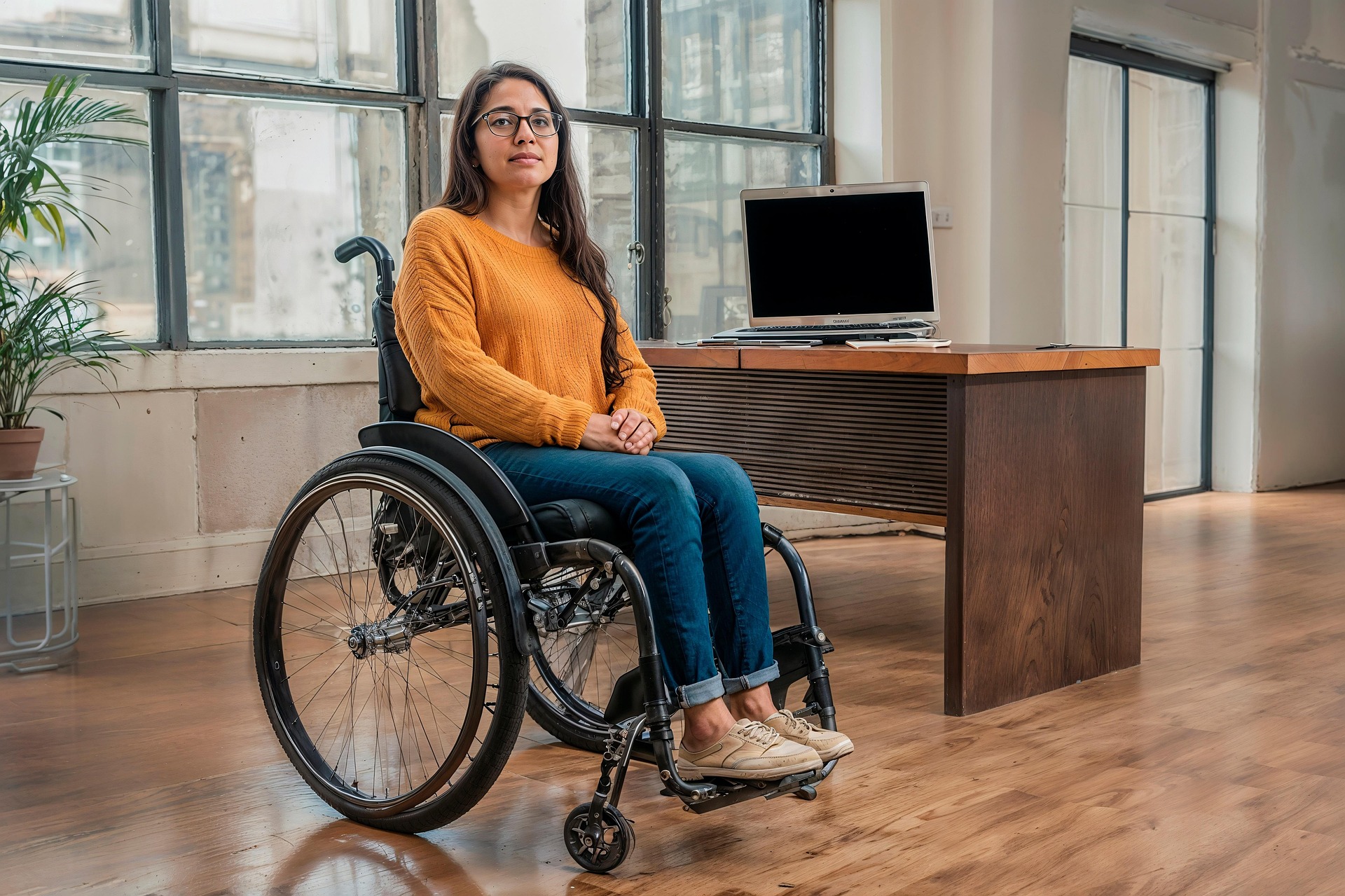
Assistive Technology We Use
We recommend a combination of open‑market assistive technology solutions and the built‑in accessibility features already available on many workplace devices. Where appropriate, we also advise on ergonomic desk setup to reduce discomfort, alongside practical suggestions for rest breaks or movement adjustments throughout the working day.
Every solution we design is fully personalised and tailored to the individual—no two setups are the same. Our recommendations are always based on the employee’s specific needs, working environment, and role.
Below is a selection of assistive technologies we commonly recommend as part of our assessments:
- Alternative pointing devices, including trackball, vertical, and ergonomic mice
- Adaptive joysticks
- Trackpads and touchpads
- Stylus devices with additional support
- Adaptive switches and switch interfaces
- Voice recognition and speech‑to‑text tools
- Dictation software
- Mouth‑controlled mouse systems
- Head‑tracking technology
- Eye‑tracking and eye‑gaze systems
- Specialist mounting systems for secure and flexible positioning
Our aim is always to identify the most effective, practical, and comfortable solution—helping employees work confidently, safely, and productively.
How We Work
We begin with an informal introductory discussion, which can include you, your HR team, and your employee. Where appropriate, we also ensure time is set aside to speak with the employee privately. For organisations local to Salisbury and the surrounding areas (Wiltshire, Hampshire, and Dorset), consultations can be carried out in person. For clients further afield, we provide the same service via secure video call.
Our approach looks beyond a diagnosis alone. We focus on understanding the day‑to‑day challenges the employee experiences at work and how their role impacts their wider health and wellbeing. This may include issues such as hand or wrist strain, fatigue, back or neck discomfort, or other physical or cognitive challenges that extend beyond working hours.
As part of the assessment, we review the employee’s working environment, including desk layout, seating, equipment, and general setup, to identify any factors that may be contributing to discomfort or inefficiency.
Following the assessment, we provide clear, practical recommendations covering any relevant software, hardware, ergonomic changes, or workplace adaptations. These recommendations are fully discussed with all parties, outlining the benefits and considerations of each option to support informed decision‑making. This collaborative discussion forms the foundation of the final assessment report.
Who We Work With
Our Assistive Technologist has extensive experience supporting individuals with a wide range of access needs. Much of this experience comes from working with people who have experienced spinal cord injury, including powered and manual wheelchair users, and individuals with varying levels of upper‑limb function.
Additional experience includes supporting people with:
- Autism and ADHD
- Dyslexia
- Developmental Coordination Disorder (Dyspraxia)
- Visual impairment
- Cerebral palsy
- Fibromyalgia
- Chronic Fatigue Syndrome
- Connective tissue disorders
- Other widespread pain and fatigue‑related conditions
Our service is open to all organisations and their employees. A formal diagnosis is not required, and needs do not have to match the examples listed above.
We always begin with an informal, exploratory discussion, allowing us to quickly understand your situation and advise whether our service is the right fit. Where appropriate, we can also signpost to alternative services or specialist support if we feel another route would be more beneficial.
IT Support Packages
Business IT support services tailored for small to medium‑sized companies. Compare our flexible ad‑hoc IT support, retainer services, or fully managed monthly IT support packages to find the right level of technical support, monitoring, and expertise for your business.
read more
Monitor and Protect Support
Our Monitor and Protect Business IT Support Package delivers 24/7 monitoring, enterprise anti‑virus software, secure cloud backup, and proactive support—so your business comes first.
read more
Group CyberSecurity Training – In Person
In‑person, group cyber security training for company employees, delivered face to face. Interactive sessions cover key topics including phishing awareness, internet safety, secure connections, and more, with quizzes and an introduction to relevant IT and security policies included.
read more
Online Interactive CyberSecurity Training
Online cyber security training for employees and remote workers, delivering continuous security awareness through realistic phishing simulations. Access dozens of expert‑led training videos, each up to 90 minutes long, available on demand 24/7 to reinforce learning and reduce cyber risk.
read more
Website Design
We create professional WordPress websites tailored to the needs of businesses, helping organisations establish a strong online presence and connect with their customers. From initial planning and design through to launch, every project is delivered in-house with a focus on quality, communication and long-term value.
Whether you’re starting a new business, replacing an outdated website or looking to improve your existing online presence, we’d be delighted to discuss your requirements.
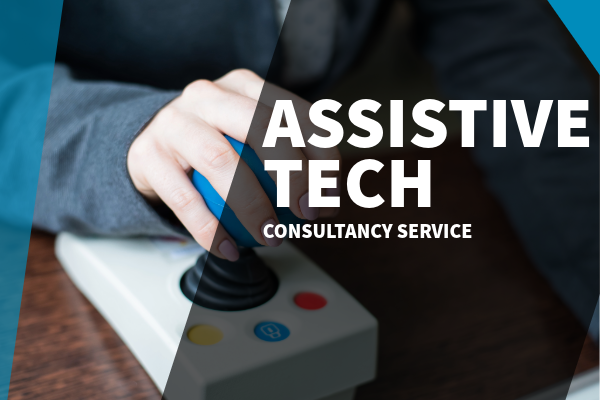
Assistive & Inclusive Technology Consultancy
Our Assistive Technology Consultant supports you and your employees in selecting and sourcing suitable accessible technology for both the workplace and home‑working environments.
read more
Individual CyberSecurity Training, in-person
In‑person, one‑to‑one IT security training for employees, delivered face to face. Each individual session covers essential topics such as phishing awareness, internet safety, secure connections, and more, with interactive quizzes and security policy introductions included.
read moreFind out more...
Use our Contact Page to get in touch with us at Assist Business IT Ltd. our friendly team will be happy to answer any questions.