

IT Safety - 121 Training for individualsIn-Person IT Security Training for your Employees
Why IT Security Training Matters
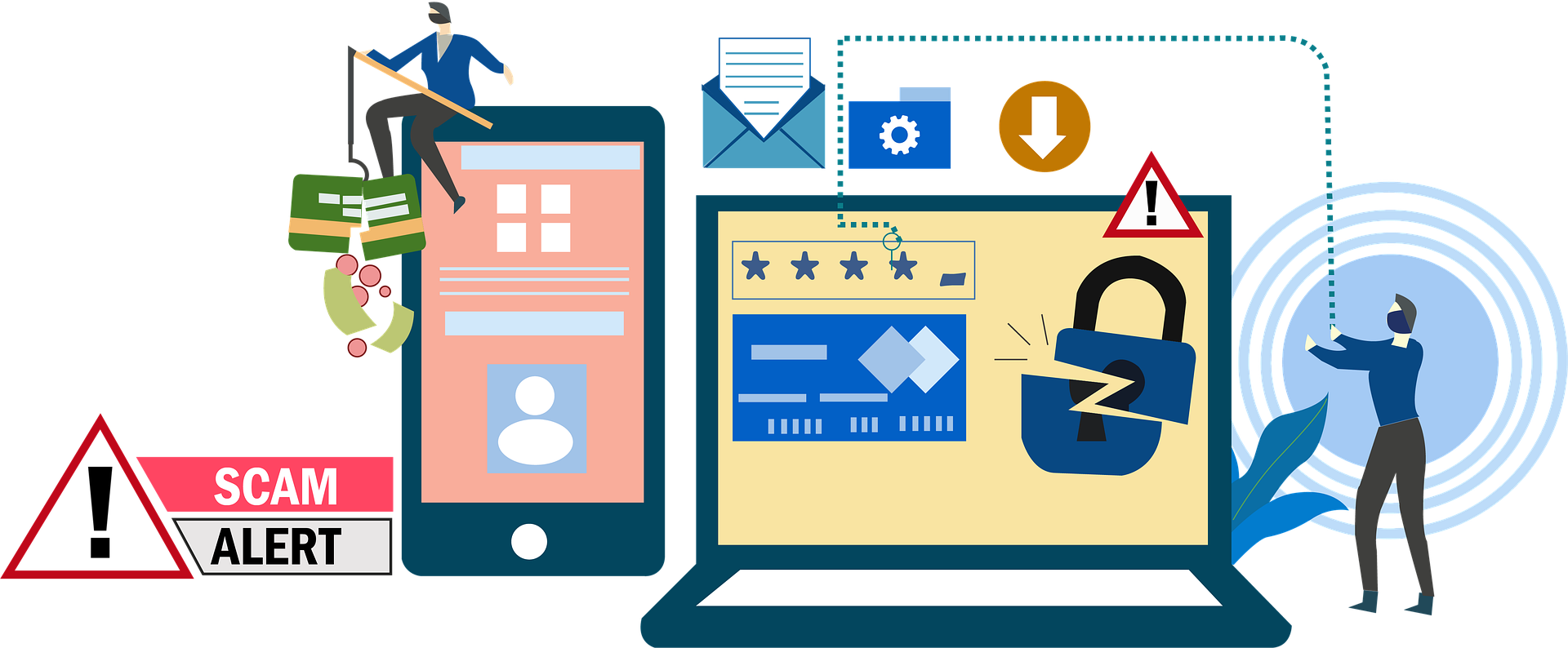
Did you know that the majority of successful cyber‑attacks are caused by human error?
Your employees are your first line of defence. With the right training, they can recognise threats such as phishing, follow best practices around passwords and data handling, report incidents promptly, and help meet compliance requirements. This not only protects your data and systems, but also saves costs and strengthens your overall security culture.
Regular IT security training turns staff from potential vulnerabilities into a proactive layer of protection, helping safeguard your business, reputation, and future.
Individual IT Security Training Sessions
One‑to‑one sessions are ideal for new starters who may have missed a group session, or for employees who would benefit from personalised, focused guidance delivered in a confidential setting.
Our face‑to‑face training is available locally and is typically delivered on a Friday afternoon, lasting approximately 2–3 hours.
Key Features of Individual IT Security Training
- Suitable for new employees, contractors, and associates
- Ideal when a group training session has been missed or is not yet scheduled
- One‑to‑one delivery allows for more detailed discussion and personalised learning
- 2–3 hour training session with interactive questions and quizzes
- Certificate of participation provided on completion
- Feedback provided to the employer on the individual’s training and engagement
- Can be delivered as a standalone session or alongside our online video and simulation‑based training
Individual IT Security Training Sessions
Our face‑to‑face, one‑to‑one IT security training is designed for employees, contractors, and associates. If you’re looking for management‑level training, please get in touch to discuss your specific requirements.
Each session lasts approximately 2–3 hours and is delivered in an interactive format, with discussion‑based learning, practical exercises, and an individual quiz at the end of the session.
Training Topics Covered
In‑Person Risks
Understanding and preventing everyday risks, including device security, safe information sharing, use of external devices, and general and administrative responsibilities.
Hacking
An overview of what hacking is, why it happens, common attack methods, and how they could impact your organisation.
Wi‑Fi and Connectivity
Secure connections, network vulnerabilities, risks associated with public Wi‑Fi, and the benefits of using a VPN.
Email Safety
How to recognise and manage spam, understand its purpose, and use anti‑virus scanning and email quarantine effectively.
Phishing Awareness
Why phishing attacks occur, what attackers aim to achieve, the different types of phishing, why they’re successful, and how to identify them.
Passwords and Authentication
Best practice for creating complex passwords, the importance of multi‑factor authentication (MFA), and how to use a password manager securely.
Smartphones and Tablets
Protecting company‑issued mobile devices from hacking, misuse, and unauthorised access.
Personal Devices (BYOD)
Employee responsibilities when using personal devices for work and ensuring they do not compromise the company network.
Backing Up Data
Understanding different backup methods, how they work, and why reliable backups are essential.
Incident Reporting
Covered in line with your organisation’s requirements (see Personalisation tab).
Policies
Introduction and discussion of relevant company IT and security policies (see Personalisation tab).
Personalised One‑to‑One Training
Selected areas of our one‑to‑one IT security training can be tailored specifically to your organisation, ensuring the content is relevant, familiar, and easy for employees to apply in their day‑to‑day roles.
Pre‑Training Discussion
Ahead of the training session, we take time to understand your business, IT environment, and existing procedures. This allows us to use terminology and examples your employees already recognise, making the training more practical and engaging.
Incident Reporting
The reporting section can be fully aligned with your internal processes. We will incorporate the names of relevant managers and IT contacts, explain how incidents should be reported, and cover preferred communication methods. Legal and statutory reporting requirements, including Action Fraud, remain an integral part of the training.
Policies
Company policies are discussed throughout the session to help employees understand their purpose, content, and importance. Where required, we can distribute relevant IT policies at the end of the training for employee signature and address questions where possible.
To ensure accuracy and consistency, we ask that all policies are provided in advance so they can be reviewed prior to the session. Any concerns raised will be shared ahead of the training date.
Common policies covered may include:
- IT Security Policy
- Email and Internet Policy
- Use of Personal Devices for Work Policy
- Bring Your Own Device (BYOD) Policy
- Phishing Policy

IT Support Packages
Business IT support services tailored for small to medium‑sized companies. Compare our flexible ad‑hoc IT support, retainer services, or fully managed monthly IT support packages to find the right level of technical support, monitoring, and expertise for your business.
read more
Monitor and Protect Support
Our Monitor and Protect Business IT Support Package delivers 24/7 monitoring, enterprise anti‑virus software, secure cloud backup, and proactive support—so your business comes first.
read more
Group CyberSecurity Training – In Person
In‑person, group cyber security training for company employees, delivered face to face. Interactive sessions cover key topics including phishing awareness, internet safety, secure connections, and more, with quizzes and an introduction to relevant IT and security policies included.
read more
Online Interactive CyberSecurity Training
Online cyber security training for employees and remote workers, delivering continuous security awareness through realistic phishing simulations. Access dozens of expert‑led training videos, each up to 90 minutes long, available on demand 24/7 to reinforce learning and reduce cyber risk.
read more
Website Design
We create professional WordPress websites tailored to the needs of businesses, helping organisations establish a strong online presence and connect with their customers. From initial planning and design through to launch, every project is delivered in-house with a focus on quality, communication and long-term value.
Whether you’re starting a new business, replacing an outdated website or looking to improve your existing online presence, we’d be delighted to discuss your requirements.
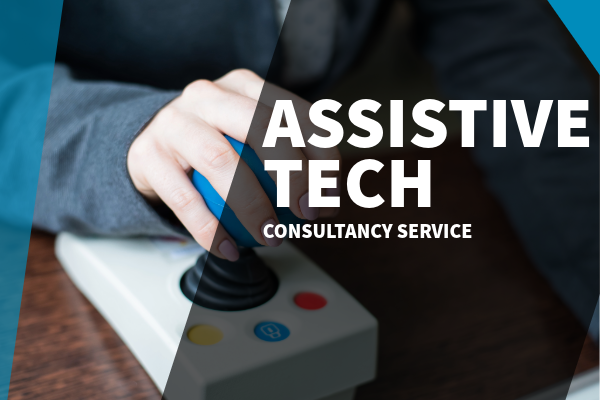
Assistive & Inclusive Technology Consultancy
Our Assistive Technology Consultant supports you and your employees in selecting and sourcing suitable accessible technology for both the workplace and home‑working environments.
read more
Individual CyberSecurity Training, in-person
In‑person, one‑to‑one IT security training for employees, delivered face to face. Each individual session covers essential topics such as phishing awareness, internet safety, secure connections, and more, with interactive quizzes and security policy introductions included.
read moreFind out more...
Use our Contact Page to get in touch with us at Assist Business IT Ltd. our friendly team will be happy to answer any questions.